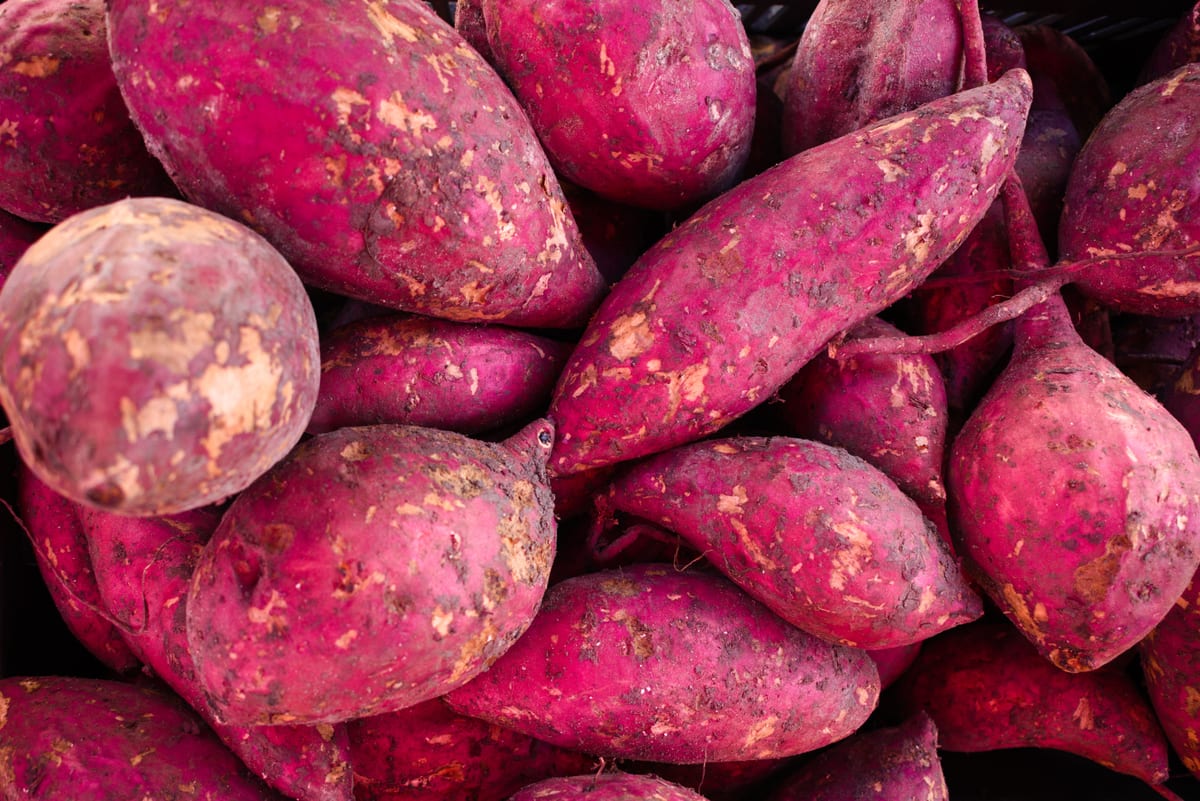
Short answer: Can dogs eat sweet potatoes? In many cases, yes. Plain, cooked sweet potato can be a reasonable occasional add-on for some dogs, but the portion, preparation, and the dog’s overall digestive tolerance still matter.
At a glance
- Plain cooked sweet potato is usually easier to offer than raw sweet potato.
- Large portions can cause loose stool or stomach upset.
- Butter, sugar, marshmallows, and heavily seasoned sides are not a good idea for dogs.
- Dogs with sensitive digestion still need a slow introduction.
What this topic means
When people ask whether dogs can eat sweet potatoes, the real question is usually not whether the ingredient is automatically good or bad. It is whether sweet potatoes fit safely into a dog’s diet without creating unnecessary digestive trouble or adding a lot of calories through extras.
Sweet potatoes show up in some dog foods and treats, so the ingredient itself is not unusual. The difference is that home feeding decisions are often less controlled than a finished pet food formula.
Can dogs eat sweet potatoes safely?
Most healthy dogs can handle a small amount of plain, cooked sweet potato as an occasional treat. Cooking softens the texture and makes the food easier to portion. A simple steamed, baked, or boiled piece is a much better choice than a sweet potato casserole or fries.
The safest version is plain and unseasoned. Once sweet potatoes are mixed with butter, salt, garlic, onion, sugar, or dessert-style toppings, the answer changes. Those extras are often a bigger problem than the sweet potato itself.
Why preparation matters
Preparation is where owners get into trouble. Raw sweet potato can be hard to chew and harder to digest. Fried sweet potato adds extra fat and salt. Holiday sides can include ingredients that simply do not belong in a dog’s bowl.
If you want to share a small bite, think plain, soft, and simple. That keeps the question focused on the ingredient instead of the recipe around it.
When it is normal vs when to worry
If a dog eats a small amount of plain cooked sweet potato and acts completely normal, that is usually not an emergency. Mild stool changes can still happen if the portion was larger than the dog’s system is used to.
If your dog vomits repeatedly, develops significant diarrhea, seems painful, or ate a heavily seasoned or dessert-style sweet potato dish, it makes sense to call your vet for guidance. The same applies if your dog has a history of pancreatitis, chronic stomach sensitivity, or a condition that makes diet changes harder.
What to do next
If you want to offer sweet potato, start small and keep it plain. Watch stool quality and appetite over the next day. If your dog does best on a stable diet, there is no nutritional reason to force table-food variety just because an ingredient is sometimes safe.
If you are working through food sensitivity questions, it is usually more useful to review the whole diet than to focus on one kitchen ingredient in isolation.
Related questions
Owners who ask can dogs eat sweet potatoes often ask the same kind of question about richer human foods and dairy. See Can Dogs Drink Milk? and Can Dogs Eat Bacon? for nearby food-safety questions.
If ingredient quality and label context are the bigger concern, How to Read a Pet Food Label Without Falling for Marketing is a useful next read.
Suggested next reads on iPickPet
FAQ
Can dogs eat raw sweet potatoes? Raw sweet potato is not the best option because it is harder to chew and digest than a plain cooked portion.
Can dogs eat sweet potato every day? A treat should stay a small part of the overall diet. Daily extras can add calories quickly and are not necessary for most dogs.
Can puppies eat sweet potatoes? Puppies have more sensitive stomachs than many adults, so any new food should be introduced very carefully and only in a tiny plain amount.