
Category: Symptoms

Dog symptom explainers with practical next steps and red-flag guidance.

  • Dog Throwing Up White Foam: Common Causes and What to Do

    Short answer: Dog throwing up white foam can happen with an empty stomach, mild stomach irritation, reflux-like vomiting, or something more serious. One isolated episode may not mean a crisis, but repeated vomiting or a dog that seems unwell deserves closer attention.

    At a glance

    • White foam often means the dog is bringing up saliva, stomach fluid, or frothy liquid rather than food.
    • A single episode can happen with an empty stomach or mild irritation.
    • Repeated vomiting, lethargy, bloating, pain, or inability to keep water down are red flags.
    • The dog’s overall behavior matters as much as the foam itself.

    What this topic means

    When a dog throws up white foam, owners often focus on the appearance and worry that the color itself means something specific. In practice, the more useful question is what else is happening. Is the dog bright and normal afterward, or does the dog look weak, restless, bloated, painful, or repeatedly nauseated?

    The foam is a clue, but it is not the whole story. Timing, frequency, appetite, and energy level usually tell you more.

    Common causes of dog throwing up white foam

    One common reason is an empty stomach. Some dogs vomit a small amount of frothy fluid early in the morning or when meals are spaced too far apart. Mild stomach irritation, dietary indiscretion, or eating grass can also lead to foamy vomit.

    Other possibilities include reflux-like irritation, kennel cough with gagging, gastroenteritis, or a reaction to something the dog should not have eaten. In more serious cases, vomiting can be part of pancreatitis, obstruction, or toxin exposure.

    When it can be normal vs when to worry

    If it happened once, your dog is acting normal, and there are no other symptoms, you may simply need to monitor closely. That is very different from a dog who keeps retching, cannot settle, has a swollen belly, or seems weak and miserable.

    Contact a vet promptly if the vomiting repeats, your dog seems painful, your dog is very young or elderly, there is diarrhea with weakness, there is blood, or you suspect something unusual was eaten. Urgent care matters even more if the dog is trying to vomit repeatedly without producing much, because that can be a red-flag pattern.

    What to do next

    Do not keep offering treats or rich foods. Let your dog rest, keep fresh water available in small amounts if tolerated, and watch for repeated vomiting, abdominal discomfort, diarrhea, or unusual behavior. If the episode was mild and isolated, you can note the timing and anything your dog may have eaten.

    If the pattern keeps returning, your vet will want the broader picture, not just the fact that the vomit looked white and foamy.

    Related questions

    Some dogs with stomach sensitivity also do poorly with certain foods or frequent treat changes. See Best Dog Food for Food Allergies if diet quality and ingredient simplicity are part of the bigger pattern.

    If your dog is also breathing hard or acting distressed, Why Is My Dog Panting So Much? is another useful symptom guide.

    Suggested next reads on iPickPet

    FAQ

    Can an empty stomach cause white foam vomiting? Yes. Some dogs vomit frothy fluid when they have gone too long without food, although that does not explain every case.

    Should I feed my dog right after vomiting white foam? It is usually better to pause, monitor, and avoid rich extras. If vomiting repeats or your dog seems unwell, contact your vet.

    Is dog throwing up white foam always an emergency? No, but repeated vomiting, weakness, pain, bloating, or distress make it much more concerning.
  • Why Is My Dog Panting So Much?

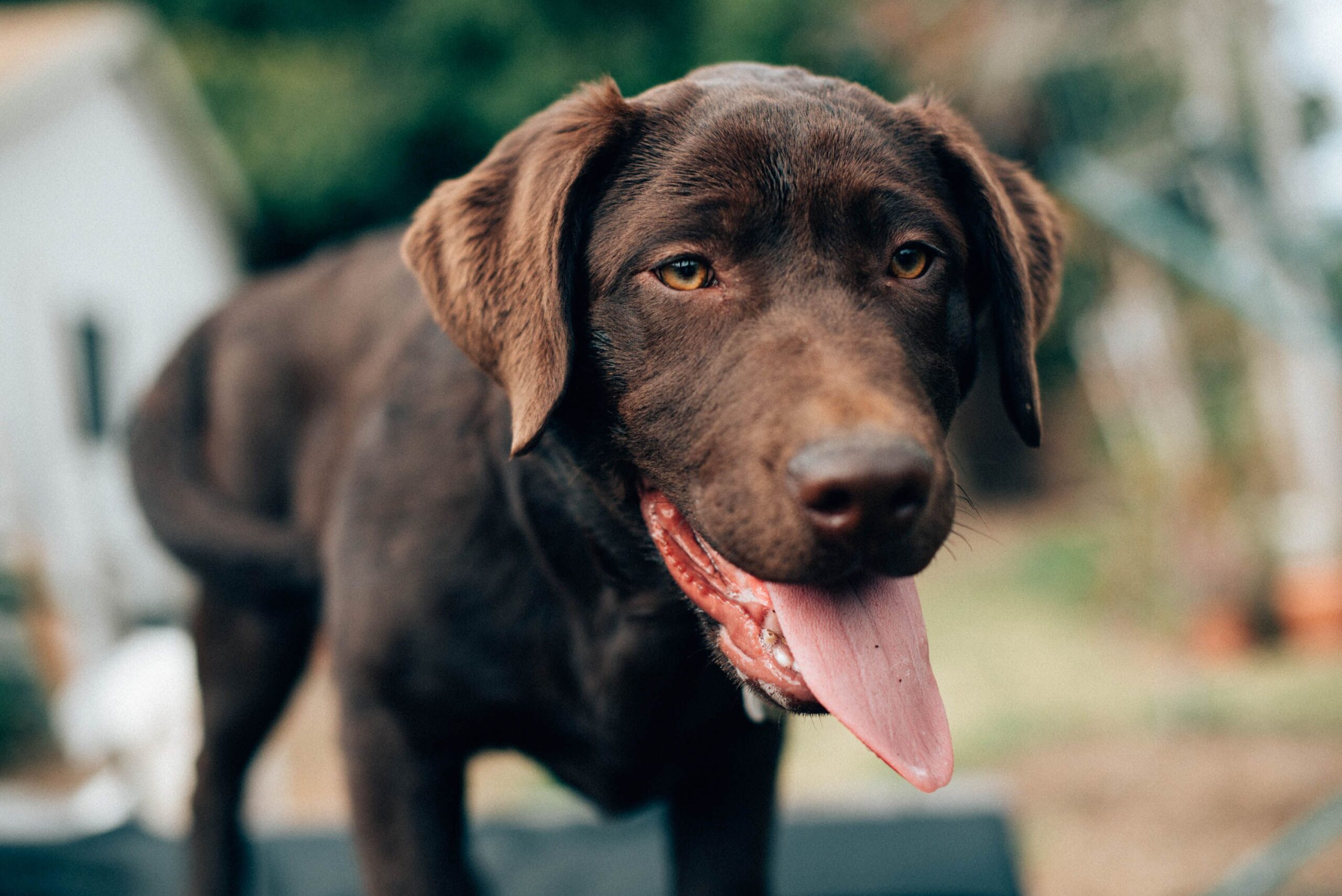
    Short answer: Why is my dog panting so much? Heavy panting can be normal after exercise or in hot weather, but it can also point to stress, pain, overheating, breathing trouble, or illness. The big question is whether the panting fits the situation.

    At a glance

    • Panting after exercise, excitement, or heat can be normal.
    • Panting at rest, overnight, or in a cool room deserves more attention.
    • Restlessness, distress, blue or pale gums, collapse, or trouble breathing are urgent red flags.
    • The change from your dog’s usual pattern matters.

    What this topic means

    Dogs pant for normal reasons all the time. The problem starts when the amount, timing, or intensity seems out of place. Owners usually notice that shift before they know what is causing it.

    That is why it helps to compare the panting with the situation in front of you. A dog panting hard after a run is different from a dog panting hard while lying quietly on the floor.

    Common reasons dogs pant more than usual

    Heat and exercise are the obvious reasons, but they are not the only ones. Excitement, anxiety, pain, fever, obesity, some medications, and underlying medical problems can all change a dog’s breathing pattern.

    Sometimes owners describe heavy panting when the dog actually seems restless, uncomfortable, or unable to settle. That is worth taking seriously because pain and distress do not always look dramatic at first.

    When panting can be normal

    Panting after active play, a walk in warm weather, or a stressful event can settle once the dog cools down and relaxes. In those situations, the dog should gradually return toward normal instead of looking increasingly uncomfortable.

    A dog who drinks, calms down, and resumes normal behavior is a very different case from a dog who keeps escalating.

    When to worry

    Contact a vet promptly if the panting is sudden, severe, happens at rest, or comes with weakness, collapse, pale gums, blue-tinged gums, vomiting, abdominal swelling, or obvious discomfort. Dogs that seem panicked or cannot catch their breath need urgent attention.

    Heatstroke and respiratory distress are not situations to “watch overnight” if the dog already looks unwell.

    What to do next

    Move your dog to a cool, quiet area, stop activity, and observe the pattern. Ask yourself whether the panting fits heat or exertion, or whether it feels out of proportion. Note any new medication, unusual food, vomiting, or behavior change.

    If you suspect overheating or breathing distress, seek veterinary help right away instead of trying repeated home fixes.

    Related questions

    If your dog is also vomiting or bringing up white foam, see Dog Throwing Up White Foam: Common Causes and What to Do.

    If feeding and diet quality are part of the larger picture, Best Dog Food is a better next step than guessing through internet symptoms alone.

    Suggested next reads on iPickPet

    FAQ

    Is panting at night normal for dogs? Not always. If it is new, intense, or paired with restlessness, discomfort, or illness signs, it deserves more attention.

    Can anxiety cause a dog to pant heavily? Yes. Stress and fear can increase panting, but you still need to rule out heat, pain, and other problems when the pattern feels unusual.

    When is dog panting an emergency? It becomes urgent when breathing looks labored, the dog seems weak or distressed, or the panting is tied to overheating, collapse, swelling, or other red flags.