Blog

  • Low Phosphorus Cat Food Guide

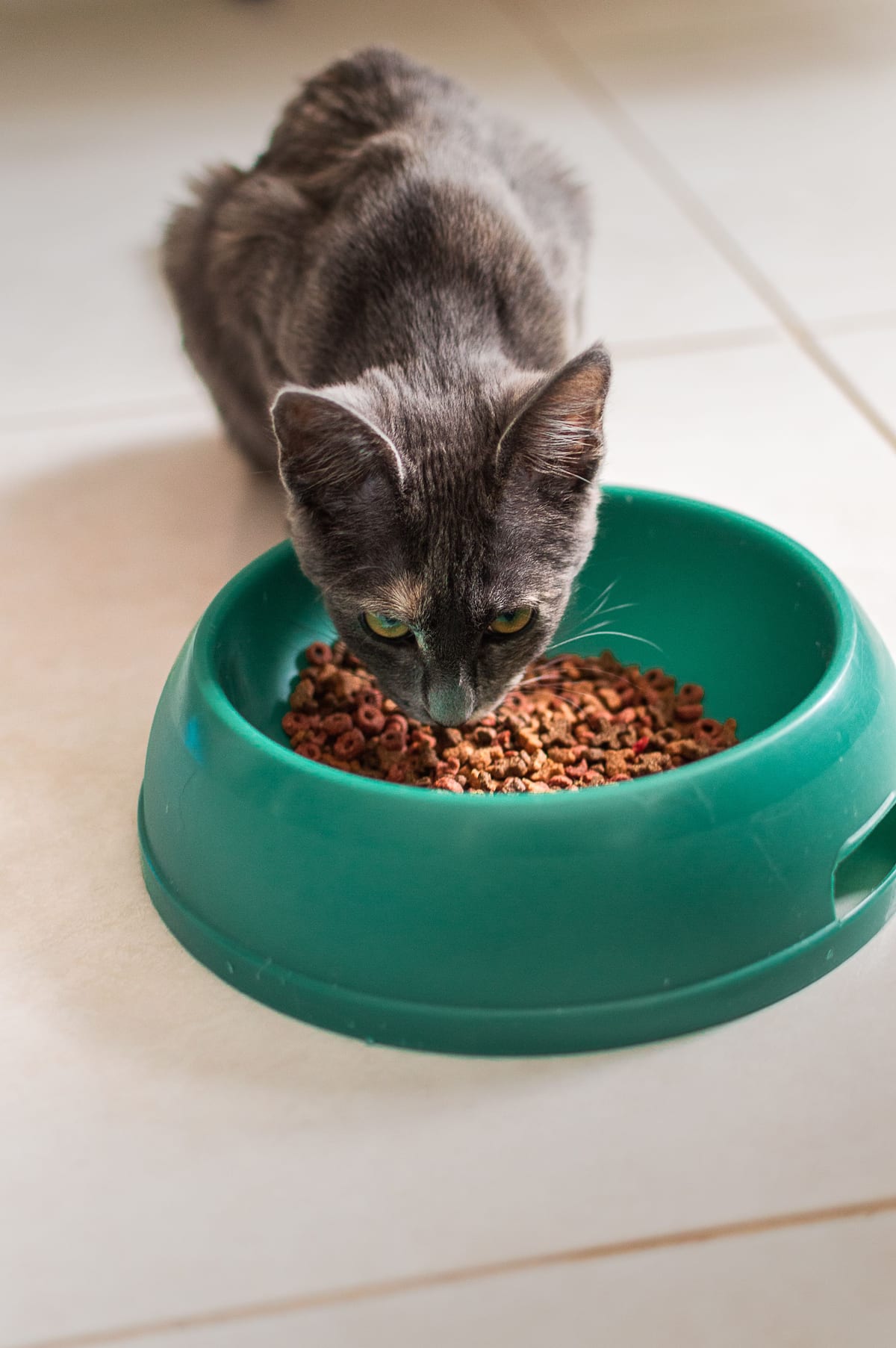
    Short answer: A low phosphorus cat food guide should start with one basic point: lower phosphorus only matters in the right context. It is not a universal sign that a food is better, but it can become very relevant when a cat has a specific medical reason to limit phosphorus intake.

    At a glance

    • Low phosphorus cat food is a context-driven choice, not a general wellness trend.
    • Owners need to compare the whole formula, not one nutrient in isolation.
    • Medical context matters more than marketing language here.
    • This guide is educational and does not replace veterinary advice for a cat with known kidney concerns.

    What this topic means

    People usually search for low phosphorus cat food when a vet has raised a kidney-related concern or when they are trying to understand a nutrition recommendation that suddenly sounds very technical. That is why the first job of this article is clarity, not hype.

    Phosphorus is not a villain nutrient in every cat. The question is whether this specific cat has a reason to manage it more carefully.

    How to think about low phosphorus cat food

    Do not reduce the decision to one number. A food still needs to make sense as a complete diet. Protein quality, moisture, calorie density, ingredient transparency, and actual palatability still matter. Owners can make a poor choice by chasing one target while ignoring the rest of the formula.

    This is also why random online product lists are often less useful than they look.

    What to compare on the label

    If you are reviewing options, look for clear nutritional information, strong overall formula logic, and enough transparency to compare products meaningfully. Moisture and feeding practicality can matter a lot in cats that need careful diet management.

    The best low phosphorus cat food is not just lower in phosphorus. It is a food the cat can actually eat consistently while fitting the broader nutritional goal.

    When to worry vs when to stay practical

    If a vet has already told you phosphorus management matters, do not treat this like an ordinary marketing preference. On the other hand, if you are simply browsing labels without a clear reason, do not assume low phosphorus is automatically better for every cat.

    Context protects you from both underreacting and overreacting.

    What to do next

    Clarify the reason behind the search. Is this a vet-guided decision, or are you trying to make sense of ingredient and nutrient claims on your own? That answer changes the right next move.

    This guide is built as a durable editorial reference. Product modules can be enriched later as the structured CMS product layer grows.

    Related questions

    If vomiting or appetite change is part of the bigger picture, Why Does My Cat Keep Throwing Up? adds symptom context.

    For broader feeding context, Best Cat Food is the main pillar page.

    Suggested next reads on iPickPet

    FAQ

    Is low phosphorus cat food better for every cat? No. It is a context-specific choice, not a universal upgrade.

    Should I choose low phosphorus cat food without talking to a vet? If there is a medical concern behind the search, veterinary guidance matters.

    Does lower phosphorus mean the food is automatically high quality? No. The whole formula still needs to be assessed.

  • Best Cat Trees for Large Cats

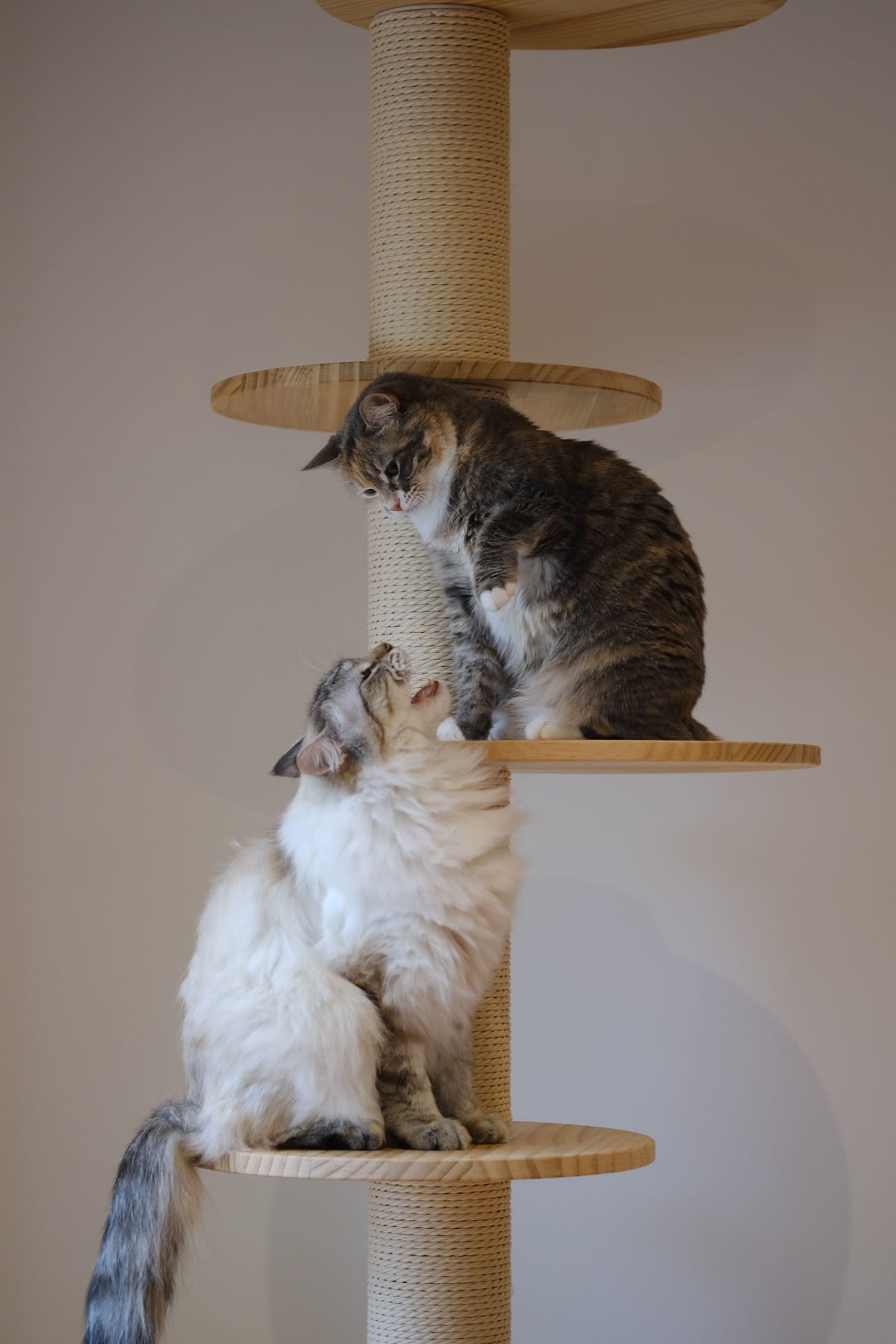
    Short answer: The best cat trees for large cats usually win on stability, usable platform size, and durable construction, not on the number of toy attachments or cute extras.

    At a glance

    • Base stability is the first thing to check.
    • Large cats need platforms they can actually stretch out on.
    • Weight capacity matters, but so does practical build quality.
    • A flashy design is not helpful if the tree wobbles.

    What this topic means

    When owners search for the best cat trees for large cats, they are usually shopping for a Maine Coon, a large mixed-breed cat, or a household with cats that use furniture hard. That means the buying criteria should be stricter than the average decorative cat-tree roundup.

    This is a reference guide first. It focuses on selection logic rather than pretending one static top-10 list solves every home setup.

    What to look for in a cat tree for large cats

    Start with the base. A large cat tree should feel grounded and hard to tip. Then look at platform size. If the resting spaces are tiny, the tree may technically fit a big cat while still being uncomfortable in real use.

    Scratching-post thickness, overall height balance, fabric durability, and the spacing between platforms also matter. A tall tree with awkward climbing angles can be less useful than a shorter but sturdier design.

    Common mistakes buyers make

    One common mistake is shopping from photos alone. Another is focusing on weight capacity while ignoring wobble, narrow perches, or weak-looking joints. Large cats put more torque on furniture than product photos suggest.

    The best cat trees for large cats usually look more practical than whimsical, and that is often a good sign.

    When premium is worth it

    Paying more can make sense when the build is meaningfully stronger and the platforms are realistically sized. But price alone is not proof of quality. You still need to ask what the money is buying: better materials, better stability, or just better photography.

    That is especially true if you are buying for a heavy, active cat that will use the tree every day.

    What to do next

    Measure the space, estimate what your cat actually likes to do, and compare trees through a stability-first lens. This article is intentionally durable and can support richer product modules later if the CMS product inventory expands.

    If you are buying for a large breed, your furniture plan should match the cat rather than the room aesthetic alone.

    Related questions

    If your household is considering a larger breed specifically, see Maine Coon Cat Price: What Owners Should Expect to Pay.

    For feeding context rather than equipment, Best Cat Food is the stronger next step.

    Suggested next reads on iPickPet

    FAQ

    Do large cats need heavier cat trees? They usually need more stable ones with larger resting areas and sturdier posts.

    Is height the most important factor? No. Stability and usable platform size usually matter more than raw height.

    Can one cat tree work for multiple large cats? It can, but the build quality and layout need to support real everyday use, not just one-photo marketing.

  • Maine Coon Cat Price: What Owners Should Expect to Pay

    Short answer: Maine Coon cat price is usually higher than the price of an average household cat, but the purchase number is only the beginning. The more important question is what that price reflects and what the full first-year budget looks like.

    At a glance

    • Maine Coon cats are often priced at a premium because size, popularity, pedigree, and breeder practices all affect demand.
    • Low prices should be examined carefully, not celebrated automatically.
    • Food, litter, insurance, and larger equipment can add up fast.
    • The cheapest kitten is not always the cheapest ownership path.

    What this topic means

    When people search for Maine Coon cat price, they are usually trying to decide whether the breed is realistic for their household. The answer is not just the kitten price. It is breeder standards, health preparation, travel, supplies, and the reality that a larger cat often comes with larger ongoing costs.

    That makes this more of an ownership-budget question than a simple sticker-price question.

    What affects Maine Coon cat price

    Breeder reputation, pedigree, location, and whether the cat is sold as a companion pet or with breeding or show expectations all influence price. In general terms, ethically bred Maine Coons often sit well above casual pet-market pricing, and extremely cheap offers deserve careful scrutiny.

    Price also reflects what happens before the kitten comes home. Responsible breeding, early care, screening, and support usually cost more than a fast sale.

    What owners often forget to budget for

    Large breed ownership changes the equipment list. Bigger litter trays, sturdier cat trees, heavier scratching furniture, and a higher food budget all matter. Vet care, insurance, travel carriers, and grooming tools should be part of the plan from the start.

    This is where many first-time buyers underestimate the real cost of the breed.

    When a lower price can be a warning sign

    A lower price does not automatically mean a problem, but it should prompt better questions. Where did the kitten come from? What support is offered? Does the setup feel transparent? Can the seller clearly explain what you are paying for?

    If the answers feel vague, the listing may be telling you something important.

    What to do next

    Build a realistic first-year budget before focusing on one headline number. Ask whether your home is prepared for a large, active cat and whether you can comfortably afford not just the purchase but the lifestyle that follows.

    This draft intentionally uses durable budgeting guidance instead of pretending one static internet price stays correct forever.

    Related questions

    If you are planning a setup for a larger breed, Best Cat Trees for Large Cats is a natural next read.

    For feeding context, Best Cat Food gives a broader look at formula selection.

    Suggested next reads on iPickPet

    FAQ

    Why are Maine Coon cats expensive? Demand, size, breeder quality, pedigree, and the cost of responsible breeding all play a role.

    Is the kitten price the main ownership cost? No. Ongoing care, supplies, and vet costs matter just as much over time.

    Should I trust a very cheap Maine Coon listing? Very low pricing should trigger more questions, not less.

  • Why Does My Cat Keep Throwing Up?

    Short answer: Why does my cat keep throwing up? Repeated vomiting can happen for several reasons, from hairballs and fast eating to diet intolerance or illness. The important part is the pattern, not just the fact that it happened.

    At a glance

    • One isolated vomiting episode is different from a repeated pattern.
    • Hairballs, diet changes, overeating, and stomach irritation are common everyday explanations.
    • Weight loss, low appetite, lethargy, frequent vomiting, or blood raise the concern level.
    • Cats that keep vomiting need more than internet reassurance.

    What this topic means

    Owners sometimes normalize vomiting in cats more than they should. Hairballs happen, and some cats do throw up occasionally, but “my cat always does that” is not a diagnosis. Repetition is the part to respect.

    The useful question is not just why the vomit happened today. It is whether this has become a pattern that points to a feeding issue, irritation, or something that needs veterinary workup.

    Common reasons cats keep throwing up

    Fast eating, diet changes, food intolerance, hairballs, and stomach irritation are all common possibilities. Some cats also vomit because the feeding routine is inconsistent or because a formula simply does not agree with them well.

    But repeated vomiting can also reflect something larger, which is why persistence matters more than one dramatic episode.

    When it can be normal vs when to worry

    A rare isolated hairball in an otherwise healthy cat is not the same thing as a cat who vomits every week, loses weight, or starts eating poorly. Repeated vomiting, low appetite, lethargy, blood, or a clear behavior change make the situation more serious.

    If your cat keeps throwing up, do not get stuck in a cycle of changing foods every few days without a plan. That can muddy the picture instead of clarifying it.

    What to do next

    Track the pattern. Note how often the vomiting happens, whether it is food, liquid, or hairball material, and whether meals were changed recently. A clear record is more useful than a vague memory when you speak with a vet.

    If the vomiting is frequent, your cat seems sick, or weight and appetite are changing, contact your vet instead of treating it as a routine annoyance.

    Related questions

    If environmental irritants are part of the home setup, Is Lavender Safe for Cats? is worth reading.

    If you are rethinking the diet itself, Low Phosphorus Cat Food Guide and Best Cat Food help frame feeding decisions more carefully.

    Suggested next reads on iPickPet

    FAQ

    Are hairballs the only reason cats vomit? No. Hairballs are only one common explanation among several.

    How often is too often for a cat to vomit? Once the pattern becomes recurring rather than rare, it is worth taking more seriously.

    Should I keep switching cat foods if my cat vomits? Repeated random food changes can make the picture harder to interpret. A more deliberate plan is better.

  • Cat Sneezing: Common Causes and When to Worry

    Short answer: Cat sneezing can happen for minor reasons like dust or irritation, but repeated sneezing, nasal discharge, eye changes, or a cat that seems unwell deserve more attention.

    At a glance

    • An occasional sneeze is not unusual.
    • Frequent sneezing with discharge or reduced appetite is more concerning.
    • Strong scents, dust, upper respiratory infections, and irritation can all play a role.
    • The pattern matters more than one isolated sneeze.

    What this topic means

    Cat sneezing is one of those symptoms that can be completely minor or part of a broader upper respiratory picture. The challenge for owners is that the symptom sounds simple, but the context changes everything.

    A cat who sneezes once after poking around a dusty corner is different from a cat who keeps sneezing, has watery eyes, and stops eating normally.

    Common causes of cat sneezing

    Mild irritation from dust, litter particles, household sprays, or fragrance can trigger sneezing. Cats can also sneeze with upper respiratory infections, dental issues, nasal inflammation, or other causes that are harder to sort out at home.

    This is why owners should avoid treating sneezing as either nothing at all or automatic disaster. It is a symptom that needs context.

    When it can be normal vs when to worry

    An occasional sneeze in an otherwise bright, comfortable cat may not mean much. Repeated sneezing over several days, especially with nasal discharge, eye discharge, congestion, reduced appetite, or low energy, is different.

    Contact a vet if sneezing is frequent, if breathing sounds noisy, if the cat is not eating well, or if the cat seems generally sick. Kittens, seniors, and medically fragile cats deserve a lower threshold for checking in.

    What to do next

    Think about the environment first. Was there a new room spray, diffuser, dusty litter, or strong cleaning product? If so, remove the obvious irritant and monitor closely. If symptoms persist, escalate instead of endlessly guessing.

    Cats hide illness well, so a cat who is sneezing and acting “quiet” may be telling you more than it first appears.

    Related questions

    If strong scents or plants are part of the environment, see Is Lavender Safe for Cats?.

    If your cat also has stomach symptoms, Why Does My Cat Keep Throwing Up? is another useful symptom guide.

    Suggested next reads on iPickPet

    FAQ

    Why does my cat keep sneezing but seem normal? Mild irritation is possible, but repeated sneezing still deserves monitoring because the cause is not always obvious at home.

    Can litter dust make cats sneeze? Yes. Dusty litter or strong fragrances can irritate some cats.

    When should I worry about cat sneezing? Worry more when sneezing is frequent, paired with discharge, or the cat is eating less or acting sick.

  • Best Dog Food for Food Allergies

    Short answer: The best dog food for food allergies is usually not a trendy formula with the most dramatic packaging. It is the formula with the clearest ingredient story, the least unnecessary complexity, and the best fit for the dog’s actual history.

    At a glance

    • Start with ingredient simplicity, not hype.
    • A shorter, clearer ingredient story is often easier to evaluate.
    • One dog doing well on a formula does not prove it is best for all allergy cases.
    • Editorial comparison is useful, but symptom-heavy dogs still need veterinary guidance when the picture is unclear.

    What this topic means

    When people search for the best dog food for food allergies, they often want a quick answer with one miracle brand. Real-world feeding is rarely that simple. The better question is what kind of formula gives you the cleanest shot at reducing ingredient noise and making the diet easier to understand.

    That usually means looking for coherence, not marketing volume.

    How to compare dog food for food allergies

    Start with the ingredient list. A food built around a clear primary protein and a relatively focused formula is easier to review than one loaded with multiple overlapping animal sources, flavor systems, and extras. Simplicity does not guarantee success, but it makes troubleshooting far easier.

    Protein choice matters too. Some owners are trying to avoid a suspected trigger. Others simply need a diet that feels less busy and more predictable. The best choice depends on the dog’s history, not a generic internet rule.

    What to avoid when shopping

    Be cautious around vague animal ingredients, cluttered formulas, and front-of-pack promises that sound more precise than the label really is. A food marketed as sensitive or allergy-friendly still has to make sense on the back of the bag.

    It also helps to be realistic. A new bag of food is not a diagnosis. It is one part of a larger review process.

    When product selection is enough vs when to get help

    If the issue is mild sensitivity or a recurring suspicion that certain foods are not working well, a more focused formula may be a practical next step. If the dog has severe itching, repeated ear problems, chronic vomiting, ongoing diarrhea, or poor weight maintenance, the case is bigger than an ordinary buying decision.

    That is when veterinary guidance becomes more important than reading one more product roundup.

    What to do next

    Use a short checklist before buying. Is the primary protein clear? Does the formula avoid obvious clutter? Can you explain why you are choosing it beyond a bag claim? If not, keep comparing.

    This guide is intentionally durable. It focuses on selection criteria first, and product modules can be enriched later as the CMS product inventory grows.

    Related questions

    If your concern started with stomach symptoms, see Dog Throwing Up White Foam: Common Causes and What to Do.

    If you want broader formula context first, Best Dog Food: How to Choose the Right Formula for Your Dog is the stronger pillar page.

    Suggested next reads on iPickPet

    FAQ

    Should I choose grain-free for food allergies? Not automatically. Grain-free is a formula choice, not a guaranteed allergy solution.

    Is limited ingredient always better? Not always, but a simpler ingredient story is often easier to review and troubleshoot.

    Can one bag fix a true allergy case? Severe or persistent cases often need a more structured plan than a casual brand switch.

  • Why Is My Dog Panting So Much?

    Short answer: Why is my dog panting so much? Heavy panting can be normal after exercise or in hot weather, but it can also point to stress, pain, overheating, breathing trouble, or illness. The big question is whether the panting fits the situation.

    At a glance

    • Panting after exercise, excitement, or heat can be normal.
    • Panting at rest, overnight, or in a cool room deserves more attention.
    • Restlessness, distress, blue or pale gums, collapse, or trouble breathing are urgent red flags.
    • The change from your dog’s usual pattern matters.

    What this topic means

    Dogs pant for normal reasons all the time. The problem starts when the amount, timing, or intensity seems out of place. Owners usually notice that shift before they know what is causing it.

    That is why it helps to compare the panting with the situation in front of you. A dog panting hard after a run is different from a dog panting hard while lying quietly on the floor.

    Common reasons dogs pant more than usual

    Heat and exercise are the obvious reasons, but they are not the only ones. Excitement, anxiety, pain, fever, obesity, some medications, and underlying medical problems can all change a dog’s breathing pattern.

    Sometimes owners describe heavy panting when the dog actually seems restless, uncomfortable, or unable to settle. That is worth taking seriously because pain and distress do not always look dramatic at first.

    When panting can be normal

    Panting after active play, a walk in warm weather, or a stressful event can settle once the dog cools down and relaxes. In those situations, the dog should gradually return toward normal instead of looking increasingly uncomfortable.

    A dog who drinks, calms down, and resumes normal behavior is a very different case from a dog who keeps escalating.

    When to worry

    Contact a vet promptly if the panting is sudden, severe, happens at rest, or comes with weakness, collapse, pale gums, blue-tinged gums, vomiting, abdominal swelling, or obvious discomfort. Dogs that seem panicked or cannot catch their breath need urgent attention.

    Heatstroke and respiratory distress are not situations to “watch overnight” if the dog already looks unwell.

    What to do next

    Move your dog to a cool, quiet area, stop activity, and observe the pattern. Ask yourself whether the panting fits heat or exertion, or whether it feels out of proportion. Note any new medication, unusual food, vomiting, or behavior change.

    If you suspect overheating or breathing distress, seek veterinary help right away instead of trying repeated home fixes.

    Related questions

    If your dog is also vomiting or bringing up white foam, see Dog Throwing Up White Foam: Common Causes and What to Do.

    If feeding and diet quality are part of the larger picture, Best Dog Food is a better next step than guessing through internet symptoms alone.

    Suggested next reads on iPickPet

    FAQ

    Is panting at night normal for dogs? Not always. If it is new, intense, or paired with restlessness, discomfort, or illness signs, it deserves more attention.

    Can anxiety cause a dog to pant heavily? Yes. Stress and fear can increase panting, but you still need to rule out heat, pain, and other problems when the pattern feels unusual.

    When is dog panting an emergency? It becomes urgent when breathing looks labored, the dog seems weak or distressed, or the panting is tied to overheating, collapse, swelling, or other red flags.

  • Can Dogs Eat Bacon?

    Short answer: Can dogs eat bacon? A small accidental bite may not cause a crisis, but bacon is not a smart routine treat. It is rich, salty, and easy to overdo.

    At a glance

    • Bacon is not a useful health food for dogs.
    • Its fat and salt content are the main reasons owners are told to avoid it.
    • One tiny piece may not cause a problem, but larger amounts can.
    • Dogs with sensitive stomachs or pancreatitis risk need extra caution.

    What this topic means

    People usually ask whether dogs can eat bacon after a dog steals a bite or when they want to share breakfast. The honest answer is that bacon is a classic example of a food that dogs want far more than they need.

    It is not just about the ingredient. It is about the combination of richness, salt, and portion creep. Those three things make bacon a poor “just this once” habit.

    Why bacon is usually a bad choice

    Bacon is fatty, heavily seasoned, and easy to overfeed because even a small strip looks harmless to a human. For some dogs, that extra richness can mean vomiting, diarrhea, or a miserable day after the meal. For higher-risk dogs, especially those with a history of pancreatitis or digestive flare-ups, the downside is more obvious.

    Processed bacon can also be cooked with oils or paired with other foods that make the situation worse, not better.

    Can dogs eat bacon safely in small amounts?

    If a dog grabbed a tiny piece and seems totally normal, you may only need to monitor. That is different from intentionally feeding multiple pieces or letting a small dog clean a greasy plate.

    The smaller the dog and the richer the amount, the less room there is for casual feeding mistakes.

    When it is normal vs when to worry

    Monitor for vomiting, diarrhea, abdominal discomfort, restlessness, or refusal to eat. If your dog had a larger amount, has a sensitive stomach history, or starts acting clearly unwell, contact your vet.

    A dog that keeps vomiting or seems painful after fatty food deserves more attention than a dog that simply licked a crumb and stayed normal.

    What to do next

    Skip the idea that human breakfast foods make good dog treats. If you want to offer food from your kitchen, choose something simpler, milder, and easier to portion.

    If your dog reacts often to rich foods, it may be time to tighten the regular diet instead of repeatedly testing the stomach with table scraps.

    Related questions

    For calmer food-safety questions, see Can Dogs Eat Sweet Potatoes? and Can Dogs Drink Milk?.

    If your dog’s issue is not occasional treats but recurring diet reactions, Best Dog Food for Food Allergies is the more durable place to start.

    Suggested next reads on iPickPet

    FAQ

    What if my dog stole a strip of bacon? Watch for stomach upset, especially in small dogs or dogs with a history of digestive trouble.

    Is turkey bacon better for dogs? It may still be salty and processed, so it does not automatically become a good dog treat.

    Can bacon cause pancreatitis in dogs? Fatty foods can be a problem for dogs already vulnerable to pancreatic flare-ups, which is one reason owners are urged to avoid rich treats.

  • Can Dogs Drink Milk?

    Short answer: Can dogs drink milk? Some dogs can handle a small amount, but many do not tolerate dairy especially well. That means milk is usually more of a digestive gamble than a useful addition.

    At a glance

    • A small lick of milk is often not an emergency.
    • Many dogs get gas, soft stool, or stomach upset from dairy.
    • Milk adds calories without offering a clear need in most adult dogs.
    • Rich dairy foods can be a worse idea than a tiny splash of plain milk.

    What this topic means

    When owners ask whether dogs can drink milk, they are usually trying to work out whether a familiar human food is harmless. The better question is whether it is worth offering at all. Adult dogs do not need milk, and plenty of them handle it poorly.

    That is why the practical answer is often more cautious than the emotional one. A dog may like milk without actually doing well on it.

    Can dogs drink milk safely?

    A very small amount of plain milk may not cause a problem in an otherwise healthy dog. But tolerance varies a lot. Some dogs seem fine after a little, while others develop loose stool, gas, or vomiting from an amount that looked trivial at the time.

    If a dog already has a sensitive stomach, recurring digestive issues, or a history of pancreatitis, milk is even less appealing as a treat.

    Why milk is often not worth it

    Milk is not toxic in the way some foods are, but that does not make it a good everyday choice. It can add extra fat, extra calories, and an easy path to stomach upset. For many owners, that is enough reason to skip it.

    It also creates confusion because people treat “not poisonous” as if it means “good for dogs.” Those are very different standards.

    When it is normal vs when to worry

    If your dog had a small sip and seems completely fine, you may only need to monitor for soft stool or mild digestive upset. If your dog drank a larger amount and develops vomiting, diarrhea, discomfort, or repeated stomach upset, it makes sense to call your vet.

    The concern rises if the milk came from a rich dessert, flavored coffee drink, or recipe that included sweeteners or other ingredients that do not belong in a dog’s diet.

    What to do next

    If your dog does fine on a stable, balanced diet, there is no benefit in testing dairy tolerance just for variety. If you want a treat, choose something simpler and easier to portion.

    If your dog frequently reacts to common foods, step back and look at the whole feeding pattern instead of repeating one-off experiments with table foods.

    Related questions

    If you are comparing common human-food questions, see Can Dogs Eat Sweet Potatoes? and Can Dogs Eat Bacon?.

    If your dog has recurring food reactions, Best Dog Food for Food Allergies is a more useful long-term guide than guessing with random extras.

    Suggested next reads on iPickPet

    FAQ

    Can puppies drink cow’s milk? Do not assume puppy feeding works the same way as human babies. Puppies should not be given cow’s milk as a casual substitute for proper puppy nutrition.

    Is cheese different from milk for dogs? Some dogs tolerate small amounts of cheese differently, but rich dairy can still cause digestive trouble and adds calories quickly.

    What if my dog already drank milk? Monitor for stomach upset, especially if the amount was more than a quick lick.

  • Dog Throwing Up White Foam: Common Causes and What to Do

    Short answer: Dog throwing up white foam can happen with an empty stomach, mild stomach irritation, reflux-like vomiting, or something more serious. One isolated episode may not mean a crisis, but repeated vomiting or a dog that seems unwell deserves closer attention.

    At a glance

    • White foam often means the dog is bringing up saliva, stomach fluid, or frothy liquid rather than food.
    • A single episode can happen with an empty stomach or mild irritation.
    • Repeated vomiting, lethargy, bloating, pain, or inability to keep water down are red flags.
    • The dog’s overall behavior matters as much as the foam itself.

    What this topic means

    When a dog throws up white foam, owners often focus on the appearance and worry that the color itself means something specific. In practice, the more useful question is what else is happening. Is the dog bright and normal afterward, or does the dog look weak, restless, bloated, painful, or repeatedly nauseated?

    The foam is a clue, but it is not the whole story. Timing, frequency, appetite, and energy level usually tell you more.

    Common causes of dog throwing up white foam

    One common reason is an empty stomach. Some dogs vomit a small amount of frothy fluid early in the morning or when meals are spaced too far apart. Mild stomach irritation, dietary indiscretion, or eating grass can also lead to foamy vomit.

    Other possibilities include reflux-like irritation, kennel cough with gagging, gastroenteritis, or a reaction to something the dog should not have eaten. In more serious cases, vomiting can be part of pancreatitis, obstruction, or toxin exposure.

    When it can be normal vs when to worry

    If it happened once, your dog is acting normal, and there are no other symptoms, you may simply need to monitor closely. That is very different from a dog who keeps retching, cannot settle, has a swollen belly, or seems weak and miserable.

    Contact a vet promptly if the vomiting repeats, your dog seems painful, your dog is very young or elderly, there is diarrhea with weakness, there is blood, or you suspect something unusual was eaten. Urgent care matters even more if the dog is trying to vomit repeatedly without producing much, because that can be a red-flag pattern.

    What to do next

    Do not keep offering treats or rich foods. Let your dog rest, keep fresh water available in small amounts if tolerated, and watch for repeated vomiting, abdominal discomfort, diarrhea, or unusual behavior. If the episode was mild and isolated, you can note the timing and anything your dog may have eaten.

    If the pattern keeps returning, your vet will want the broader picture, not just the fact that the vomit looked white and foamy.

    Related questions

    Some dogs with stomach sensitivity also do poorly with certain foods or frequent treat changes. See Best Dog Food for Food Allergies if diet quality and ingredient simplicity are part of the bigger pattern.

    If your dog is also breathing hard or acting distressed, Why Is My Dog Panting So Much? is another useful symptom guide.

    Suggested next reads on iPickPet

    FAQ

    Can an empty stomach cause white foam vomiting? Yes. Some dogs vomit frothy fluid when they have gone too long without food, although that does not explain every case.

    Should I feed my dog right after vomiting white foam? It is usually better to pause, monitor, and avoid rich extras. If vomiting repeats or your dog seems unwell, contact your vet.

    Is dog throwing up white foam always an emergency? No, but repeated vomiting, weakness, pain, bloating, or distress make it much more concerning.