Blog

  • Can Dogs Eat Sweet Potatoes?

    Short answer: Can dogs eat sweet potatoes? In many cases, yes. Plain, cooked sweet potato can be a reasonable occasional add-on for some dogs, but the portion, preparation, and the dog’s overall digestive tolerance still matter.

    At a glance

    • Plain cooked sweet potato is usually easier to offer than raw sweet potato.
    • Large portions can cause loose stool or stomach upset.
    • Butter, sugar, marshmallows, and heavily seasoned sides are not a good idea for dogs.
    • Dogs with sensitive digestion still need a slow introduction.

    What this topic means

    When people ask whether dogs can eat sweet potatoes, the real question is usually not whether the ingredient is automatically good or bad. It is whether sweet potatoes fit safely into a dog’s diet without creating unnecessary digestive trouble or adding a lot of calories through extras.

    Sweet potatoes show up in some dog foods and treats, so the ingredient itself is not unusual. The difference is that home feeding decisions are often less controlled than a finished pet food formula.

    Can dogs eat sweet potatoes safely?

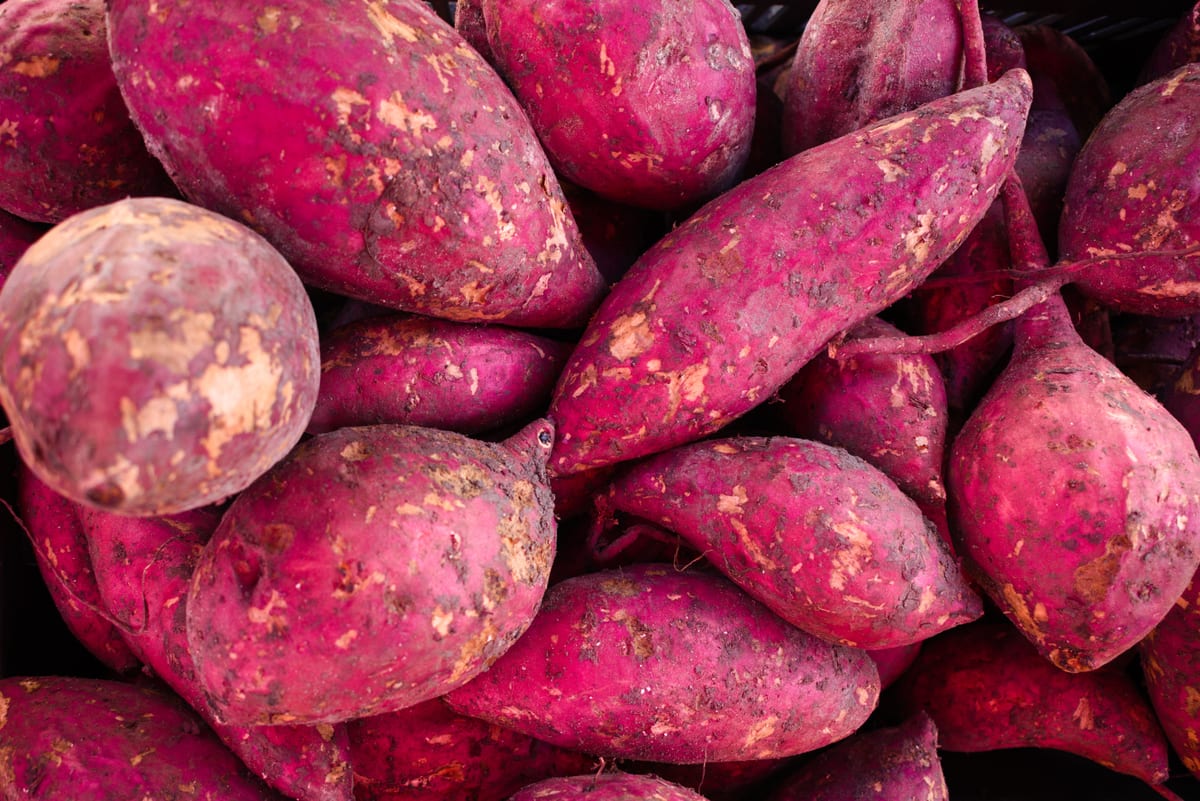
    Most healthy dogs can handle a small amount of plain, cooked sweet potato as an occasional treat. Cooking softens the texture and makes the food easier to portion. A simple steamed, baked, or boiled piece is a much better choice than a sweet potato casserole or fries.

    The safest version is plain and unseasoned. Once sweet potatoes are mixed with butter, salt, garlic, onion, sugar, or dessert-style toppings, the answer changes. Those extras are often a bigger problem than the sweet potato itself.

    Why preparation matters

    Preparation is where owners get into trouble. Raw sweet potato can be hard to chew and harder to digest. Fried sweet potato adds extra fat and salt. Holiday sides can include ingredients that simply do not belong in a dog’s bowl.

    If you want to share a small bite, think plain, soft, and simple. That keeps the question focused on the ingredient instead of the recipe around it.

    When it is normal vs when to worry

    If a dog eats a small amount of plain cooked sweet potato and acts completely normal, that is usually not an emergency. Mild stool changes can still happen if the portion was larger than the dog’s system is used to.

    If your dog vomits repeatedly, develops significant diarrhea, seems painful, or ate a heavily seasoned or dessert-style sweet potato dish, it makes sense to call your vet for guidance. The same applies if your dog has a history of pancreatitis, chronic stomach sensitivity, or a condition that makes diet changes harder.

    What to do next

    If you want to offer sweet potato, start small and keep it plain. Watch stool quality and appetite over the next day. If your dog does best on a stable diet, there is no nutritional reason to force table-food variety just because an ingredient is sometimes safe.

    If you are working through food sensitivity questions, it is usually more useful to review the whole diet than to focus on one kitchen ingredient in isolation.

    Related questions

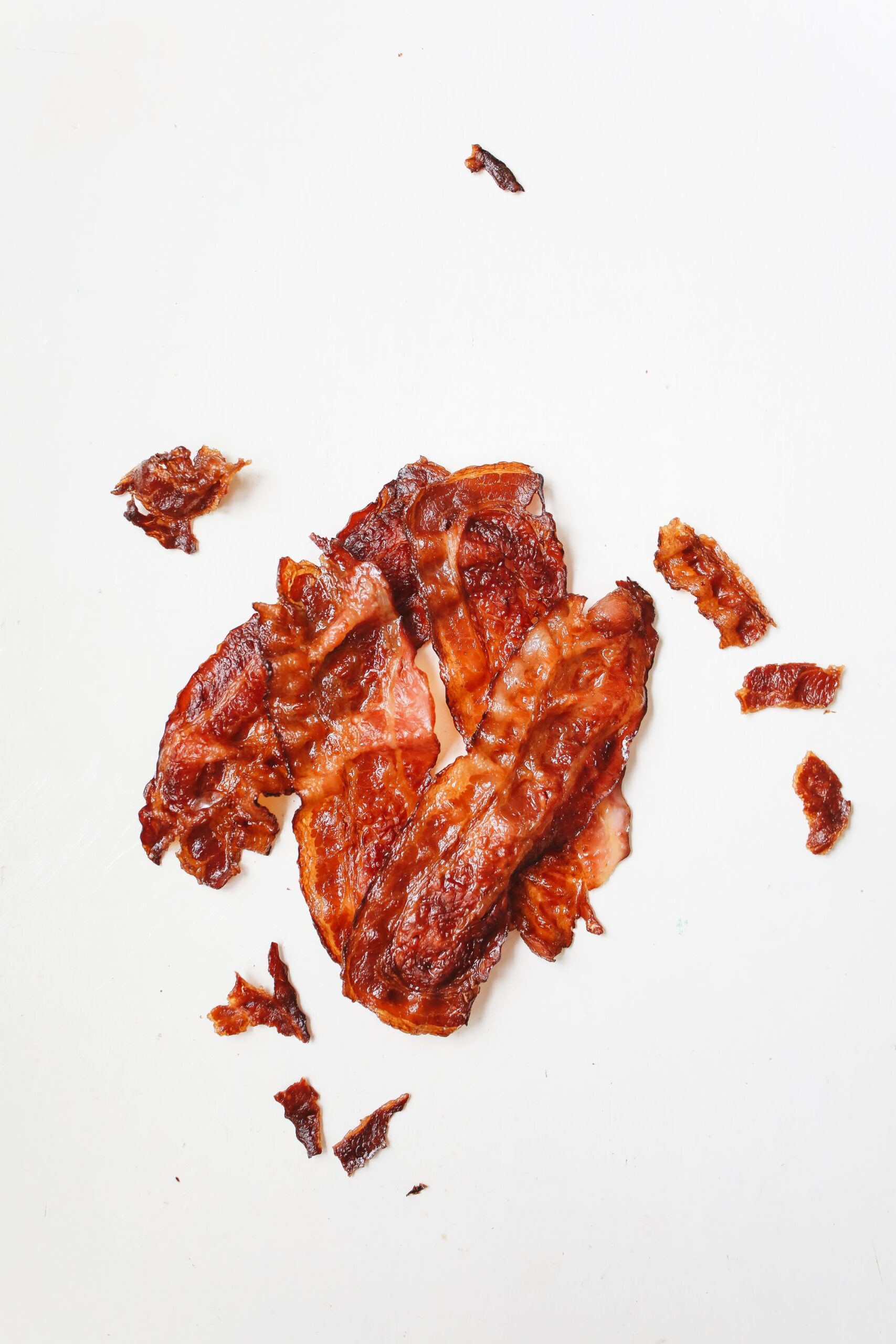
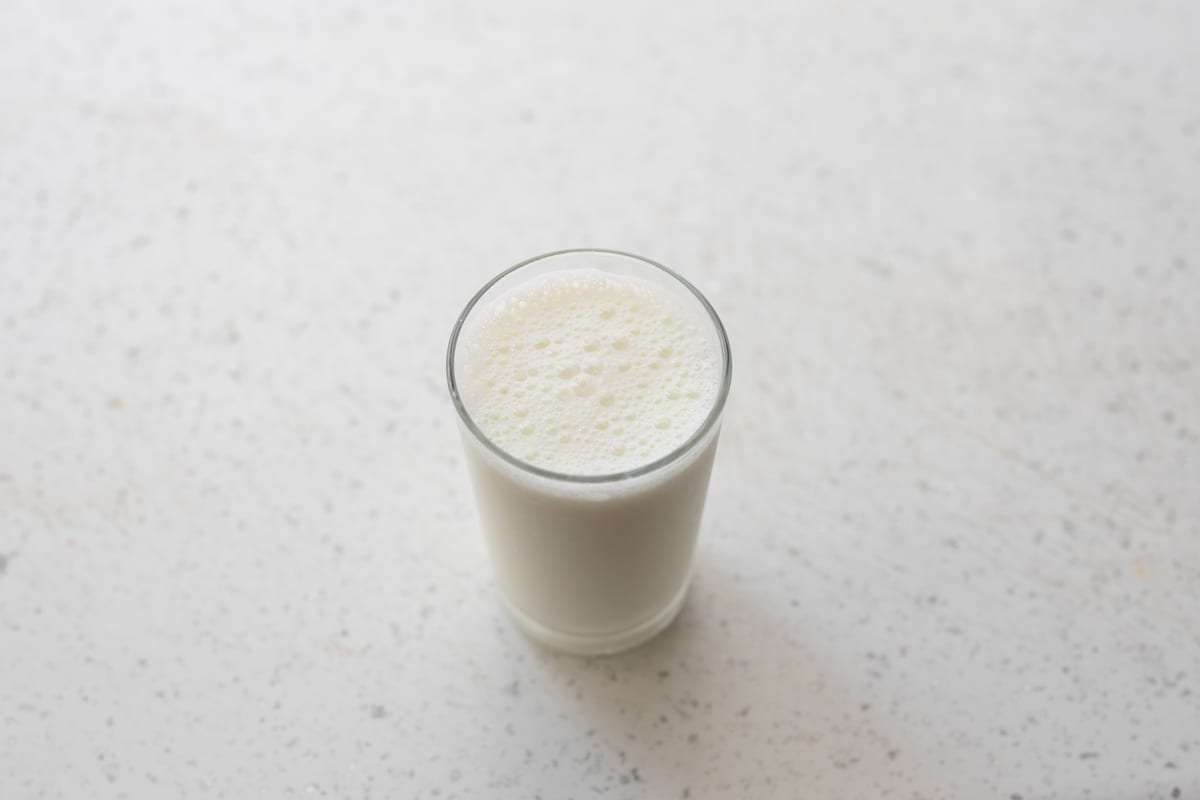
    Owners who ask can dogs eat sweet potatoes often ask the same kind of question about richer human foods and dairy. See Can Dogs Drink Milk? and Can Dogs Eat Bacon? for nearby food-safety questions.

    If ingredient quality and label context are the bigger concern, How to Read a Pet Food Label Without Falling for Marketing is a useful next read.

    Suggested next reads on iPickPet

    FAQ

    Can dogs eat raw sweet potatoes? Raw sweet potato is not the best option because it is harder to chew and digest than a plain cooked portion.

    Can dogs eat sweet potato every day? A treat should stay a small part of the overall diet. Daily extras can add calories quickly and are not necessary for most dogs.

    Can puppies eat sweet potatoes? Puppies have more sensitive stomachs than many adults, so any new food should be introduced very carefully and only in a tiny plain amount.

  • Is Lavender Safe for Cats?

    Short answer: Is lavender safe for cats? Lavender is not something to treat casually around cats, especially in concentrated forms such as essential oils, sprays, or diffusers. The risk depends on the form and the level of exposure, but “natural” does not mean harmless.

    At a glance

    • Concentrated lavender products are the bigger concern.
    • Diffusers, oils, sprays, and residues on fur or paws can all matter.
    • Signs of trouble can include drooling, vomiting, weakness, or breathing irritation.
    • When in doubt, reducing exposure is the safer move.

    What this topic means

    People often hear that lavender is calming and assume that makes it safe for pets. Cats are not small humans, and fragrance-heavy home products are a common place where owner intent and pet safety diverge.

    The key issue is not whether a lavender plant exists in the world. It is how concentrated the exposure is and whether the cat can inhale, lick, or absorb residue from the environment.

    Why lavender can be a problem for cats

    Concentrated lavender products are more concerning than a passing outdoor smell. Oils and diffusers can create inhalation exposure and surface residue, which matters because cats groom themselves constantly. That grooming behavior turns environmental residue into ingestion risk.

    Strong scents can also irritate some cats even before toxicity questions enter the picture.

    When it may be less serious vs when to worry

    A brief, minor exposure is different from direct contact with oil, heavy diffuser use in a closed space, or obvious symptoms after exposure. If your cat drools, vomits, seems weak, breathes oddly, or behaves abnormally after contact with lavender products, call your vet promptly.

    If you are ever dealing with concentrated essential oil exposure, it is better to take the concern seriously than to rely on calming marketing claims.

    What to do next

    Remove the obvious source, ventilate the space, and prevent further contact. Do not apply essential oils to your cat or assume a diffuser is harmless because it smells mild to you.

    Cat-safe living usually means choosing the simpler environment over the more decorative one.

    Related questions

    If your cat is sneezing around fragranced spaces, Cat Sneezing: Common Causes and When to Worry is a useful companion read.

    If the exposure seemed to upset your cat’s stomach, Why Does My Cat Keep Throwing Up? adds symptom context.

    Suggested next reads on iPickPet

    FAQ

    Is a lavender diffuser safe for cats? Diffusers are one of the forms that deserve the most caution because concentrated fragrance can spread through the cat’s environment.

    What if my cat licked lavender oil? Contact your vet promptly. Concentrated oil exposure should not be brushed off.

    Is dried lavender safer than essential oil? Concentrated products are generally the bigger concern, but the safest approach is still to avoid casual exposure when you are not sure.

  • Best Cat Food: How to Choose the Right Formula for Your Cat

    Choosing the best cat food starts with understanding that cats are not small dogs. Their feeding patterns, moisture needs, appetite behavior, and tolerance for different formulations make cat-food decisions feel deceptively simple on the surface and surprisingly technical once you compare products side by side.

    The best cat food for one cat may be completely wrong for another. An active younger cat may handle a richer recipe with no issue, while an indoor cat with lower energy output may do better on a more controlled formula. Some cats tolerate dry food well, while others clearly do better when more moisture is built into the feeding routine.

    That is why broad marketing phrases are not enough. Instead of asking which brand is most popular, it is more useful to ask what kind of formula makes sense for your cat’s life stage, body condition, appetite, digestive tolerance, and household routine.

    What best cat food really means

    What “best cat food” really means is the best nutritional fit with the clearest product story. A strong cat food should make it easy to identify its primary protein sources, understand its moisture profile, estimate whether the calorie density is appropriate, and judge whether the ingredient list reflects a coherent design rather than a stack of disconnected claims.

    Why cats need a different nutrition approach

    Protein quality is one of the first things to review. Cats are obligate carnivores, so animal-protein emphasis matters. A named animal protein at the front of the formula gives more useful information than vague meat language. That does not mean every expensive meat-heavy food is automatically superior, but it does mean protein sourcing deserves close attention when comparing options.

    Why moisture and protein matter so much

    Moisture matters more in cat food discussions than many owners realize. Wet food can support hydration and may be especially useful for cats that are selective drinkers or do better with more water coming through food. Dry food remains practical and convenient, but it should be evaluated with full awareness of how the total feeding pattern works for the individual cat.

    Dry cat food vs wet cat food

    Dry cat food versus wet cat food is not a morality test. Dry food can be budget-friendly, easy to portion, and useful for households feeding measured meals. Wet food can improve palatability and hydration. The better choice depends on the cat, the owner’s feeding routine, and whether the product’s nutritional profile supports the intended use.

    Best cat food by life stage

    Kittens need formulas built for growth and development. Adult cats often do best on maintenance formulas that balance calorie density with digestibility and ingredient clarity. Senior cats may need more thoughtful feeding choices depending on appetite, body condition, and how well they handle richer or more concentrated foods.

    Best cat food for common needs

    Indoor-cat needs deserve special attention because many adult house cats live with lower energy expenditure than the label language implies. The best cat food for an indoor cat is often one that balances satiety, calorie control, stool quality, and long-term practicality without leaning too hard on fashionable ingredients that do not meaningfully improve the formula.

    Common use cases such as sensitive digestion, hairball support, and weight control should be approached carefully. Cats with digestive sensitivity often benefit from simpler, more predictable formulas. Weight-control diets need to be judged by more than a single marketing badge. Hairball-focused products should still be coherent as complete diets, not just fiber-heavy solutions with weak overall design.

    Ingredients and claims to question

    Vague animal ingredients, overloaded claim stacks, excessive reliance on starch-heavy fillers, and poor calorie transparency all make a formula harder to trust. Good cat food should not require buyers to guess what the product is trying to accomplish.

    The best cat food brands generally make evaluation easier by presenting a clearer relationship between protein sources, moisture level, life-stage fit, and expected feeding outcome. Strong products tell a cleaner nutritional story. Weak products force owners to rely on vague prestige signals and generic promises.

    Final checklist before choosing a cat food

    A useful buying checklist keeps the process grounded. Start with the cat’s life stage and indoor-versus-active lifestyle. Review the primary protein story. Consider whether moisture support is strong enough for your feeding routine. Check calorie density, ingredient transparency, and whether the recipe looks appropriate for issues like weight control or sensitive digestion.

    The best cat food is the formula that fits your cat’s biology and daily routine with the least guesswork. The more clearly a product explains itself through its ingredient design and nutritional logic, the easier it becomes to compare with confidence.

  • Best Dog Food: How to Choose the Right Formula for Your Dog

    Finding the best dog food is less about chasing one trendy label claim and more about matching a formula to the dog in front of you. Age, activity level, digestive tolerance, calorie needs, ingredient sensitivities, and body condition all affect whether a food is a strong fit.

    That is why the best dog food for one household may be the wrong choice for another. A rich, high-fat recipe may work well for an active young dog but feel excessive for a senior dog with lower calorie needs. A grain-free formula may appeal to an owner reading marketing claims, while a simpler grain-inclusive formula may actually be the more practical choice for digestion, budget, and consistency.

    What best dog food really means

    The most reliable way to compare dog foods is to separate branding from substance. Start with the actual product design: named protein sources, nutrient balance, calorie density, ingredient transparency, digestibility cues, and whether the recipe aligns with a specific feeding goal.

    What “best dog food” really means depends on context. For some dogs, the best option is a highly digestible adult maintenance formula with moderate fat and an uncomplicated ingredient list. For others, the best option is a puppy formula with growth support, a senior formula with more controlled energy density, or a limited-ingredient recipe for dogs with recurring food sensitivities.

    How to evaluate ingredient quality

    Ingredient quality matters because it helps explain how the formula is built. A clearly named animal protein such as chicken, salmon, turkey, or lamb usually gives buyers a better starting point than vague terms such as meat meal or animal fat. Ingredient quality does not mean a formula is automatically perfect, but it does improve transparency and helps make comparisons more defensible.

    Why protein, fat, fiber, and moisture matter

    Protein, fat, fiber, and moisture also need to be interpreted together rather than in isolation. High protein sounds attractive, but the source of that protein matters. Fat level influences energy density and tolerance. Fiber changes stool quality and satiety. Moisture can meaningfully affect feeding experience, especially in dogs that need easier hydration support or better appetite response.

    Dry food vs wet food vs fresh food

    Dry dog food remains popular because it is convenient, cost-efficient, and easy to store. Wet dog food can help with hydration and palatability. Fresh and air-dried formats often attract premium buyers, but they still need to be judged on formulation logic rather than just format alone. No format wins automatically. The better question is whether the product’s nutritional design fits the dog and the owner’s daily feeding reality.

    Best dog food by life stage

    Puppies need different nutrient priorities than adult dogs, particularly around growth and development. Adult dogs often do best on formulas designed for stable maintenance, predictable stool quality, and sustainable calorie intake. Senior dogs may benefit from recipes that avoid unnecessary richness while still supporting muscle maintenance and comfortable digestion.

    Best dog food for common needs

    Dogs with sensitive stomachs often do well with moderate-fat formulas and readable ingredient stories. Dogs needing weight management benefit from careful calorie control and satiety-focused design rather than simply lower numbers on the label. Dogs with skin and coat concerns may benefit from better omega support, but even that only matters if the overall recipe still makes sense.

    Ingredients to question before buying

    It also helps to know what to question before buying. Vague animal ingredients, excessive claim stacking, heavily inflated plant-protein presentation, and poor calorie transparency all make a food harder to evaluate. A premium-looking package is not the same thing as a coherent formulation. If the product gives you very little useful information, comparison becomes guesswork.

    The best dog food brands tend to make comparison easier, not harder. They give buyers enough detail to understand what the food is trying to do, who it is for, and what tradeoffs it makes. Good products create a clear story between ingredient list, nutrient profile, feeding goal, and expected use case.

    Final checklist before choosing a dog food

    A practical final checklist can keep buying decisions grounded. Look for a clearly named primary protein. Check whether the fat level seems appropriate for your dog’s age and energy output. Review calorie density so portion size stays manageable. Ask whether the ingredient list looks focused or overloaded. Consider whether the formula fits a real need such as growth, sensitive digestion, indoor lifestyle, or weight support.

    The best dog food is not the one with the loudest marketing. It is the one that matches your dog’s life stage, digestive tolerance, calorie needs, and long-term feeding goal with the least confusion and the strongest formulation logic.

  • Salmon Oil for Dogs and Cats: Benefits, Limits, and What to Watch

    Salmon oil is one of the most recognizable pet nutrition ingredients because it is associated with skin, coat, and omega-3 support. It is also one of the easiest ingredients to oversimplify. This guide balances the upside of salmon oil with the practical questions buyers should ask before assuming every formula that includes it is automatically superior.

    Why salmon oil gets attention

    Salmon oil is commonly associated with EPA and DHA, two omega-3 fatty acids that are often discussed in relation to skin health, coat quality, and broader inflammatory balance. On a product page, its presence can add real value, but only when the overall formula is still coherent.

    Important limits

    • It does not rescue a poorly formulated food.
    • Oxidation risk matters, especially in products with weak transparency.
    • The rest of the fat profile and calorie load still affect the real feeding outcome.

    How buyers should evaluate it

    Look for clear sourcing, stable packaging, and a formula where salmon oil complements the broader product design instead of acting as a headline ingredient with no useful context.

  • How to Read a Pet Food Label Without Falling for Marketing

    Pet food labels are built to sell, not to teach. That is why buyers often need a repeatable framework for checking the ingredient panel, guaranteed analysis, calorie density, and claim language before they decide whether a food deserves further review. This draft is written as a foundation for that framework.

    Read the front of the bag last

    Phrases like natural, premium, holistic, and veterinarian formulated can influence buyers before they reach the details that actually matter. Start with the named protein sources, the position of starch-heavy ingredients, and whether the product publishes enough nutrient information to support comparison.

    What the guaranteed analysis tells you

    The guaranteed analysis gives minimums and maximums, not the complete nutritional story. It still helps you estimate whether a food may be unusually rich, unusually low in fiber, or more likely to fit a pet with specific feeding needs.

    Why ingredient context matters

    An ingredient list alone does not define food quality. What matters is the pattern the list creates, how transparent the sourcing appears, and whether the total recipe matches the health goal you are shopping for.

  • Best Dog Food for Sensitive Stomachs: What to Check Before You Buy

    Choosing the best dog food for a sensitive stomach is rarely about one magic ingredient. Most owners get better results when they compare digestibility, fat level, ingredient complexity, and how clearly the manufacturer explains the formula. This guide is built to support search intent while fitting the iPickPet platform structure.

    Start with digestibility, not marketing

    Sensitive-stomach dogs often do better with recipes that keep the ingredient story readable. A named animal protein, moderate fat, and a manageable list of carbohydrate sources usually make a better starting point than trend-driven formulas with long blends of pulses, botanicals, and add-on claims.

    Ingredients that can help narrow your shortlist

    • A clearly named primary protein such as salmon, turkey, or lamb
    • Easy-to-understand carbohydrate sources like oats or rice when grains are tolerated
    • Consistent calorie density so meal portions stay predictable
    • Fewer abrupt recipe switches and fewer layered flavor boosters

    Red flags to watch

    Watch for vague animal ingredients, very rich formulas marketed as universally premium, or recipes that rely on heavy claim stacking without publishing useful nutrient context. A good sensitive-stomach review should explain not just what is present, but why the formulation may be easier or harder to tolerate.